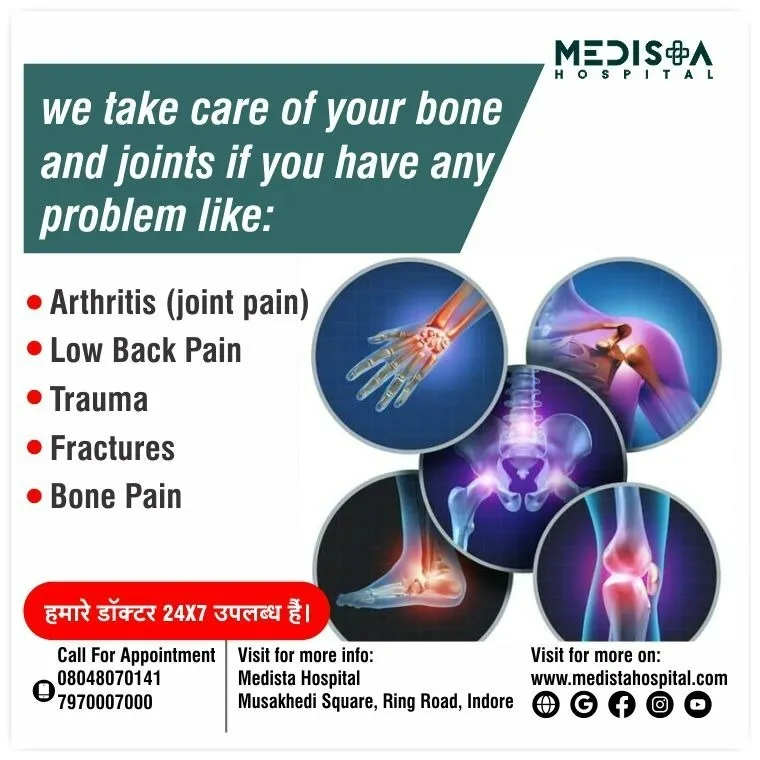
Bone and Joint Pain Treatment in Mandsaur – Dr. Lavesh Agarwal at Medista Hospital
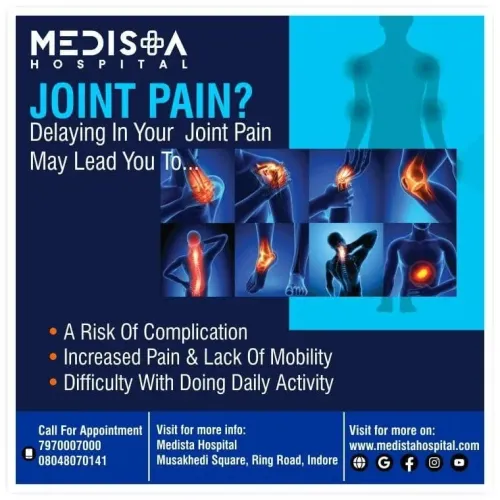
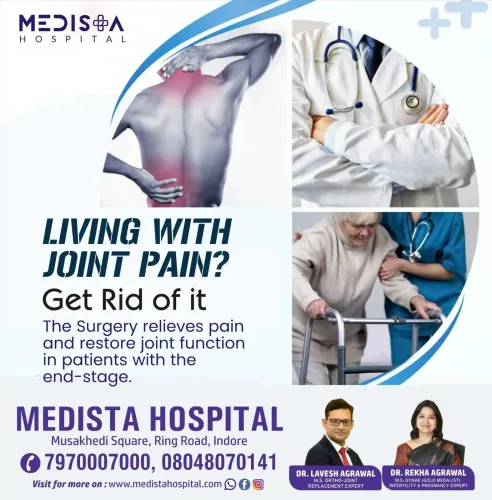
Are you experiencing persistent knee pain, hip discomfort, back pain, shoulder stiffness, or difficulty walking? Finding the right treatment for bone and joint pain in Mandsaur can be an important step toward understanding the cause of your discomfort and improving your mobility. Dr. Lavesh Agarwal, an orthopedic and joint replacement surgeon at Medista Hospital, provides orthopedic care to patients who require diagnosis and treatment for bone, joint, and musculoskeletal problems.
Bone and joint pain can affect people of all ages. It can be caused by arthritis, injury, overuse, age-related changes, ligament problems, or other underlying medical conditions. Symptoms such as swelling, stiffness, limited mobility, and difficulty performing daily activities should not be ignored if they persist or worsen.
Proper treatment begins with a proper clinical examination. Depending on the diagnosis, management may include medication, physiotherapy, activity modifications, rehabilitation, or, if necessary, surgical treatment. If you are looking for an orthopedic doctor for bone and joint pain in Mandsaur, contact Medista Hospital to confirm Dr. Lavesh Agarwal's consultation availability, appointment schedule, and treatment arrangements.
Common Causes of Bone and Joint Pain
1. Osteoarthritis
Osteoarthritis is a joint disease characterized by changes in cartilage and other structures within the joint. It commonly affects the knees, hips, hands, and spine.
Patients may experience pain during activity, stiffness after rest, swelling, and limited joint movement. As the disease progresses, daily activities such as walking, climbing stairs, and standing for long periods of time may become more difficult.
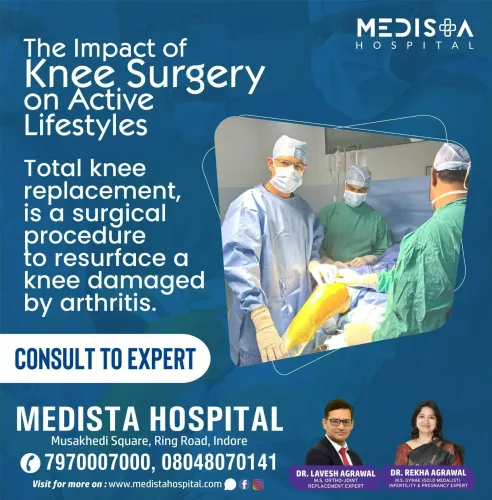
Treatment depends on the severity of symptoms and the degree of joint damage. Options may include appropriate exercise, physical therapy, weight management as needed, medication, and in some advanced cases, joint replacement surgery.
2. Rheumatoid Arthritis and Other Inflammatory Conditions
Rheumatoid arthritis is an inflammatory autoimmune condition that can affect the joints and cause pain, swelling, warmth, and morning stiffness. Other inflammatory diseases can also cause joint symptoms.
Persistent swelling, stiffness in multiple joints, or symptoms affecting both sides of the body may require a medical examination. Depending on the results, the patient may need to be evaluated by a rheumatologist or other appropriate specialist.
Early detection and appropriate treatment can help manage symptoms and reduce the risk of joint damage.
3. Knee Pain
Knee pain can be caused by osteoarthritis, ligament injury, meniscus problems, overuse, sports injuries, or other joint conditions.
Common symptoms include:
* Pain when walking or climbing stairs
* Swelling around the knee
* Stiffness after sitting or resting
* Difficulty bending or straightening the knee
* Feeling unstable or loose
* Decreased ability to perform daily activities
Treatment depends on the underlying cause. An orthopedic evaluation may include a physical examination and, if necessary, imaging or other tests. 4. Hip Pain
Hip pain can affect walking, standing, sitting, and sleeping. Possible causes include arthritis, injury, soft-tissue problems, and other conditions affecting the hip or surrounding structures.
Some patients experience pain around the groin, while others experience discomfort around the outer hip, buttock, or thigh. The location of the pain alone does not determine the diagnosis.
An orthopedic consultation can help determine whether symptoms originate in the hip joint, surrounding tissue, or another part of the body.
5. Shoulder pain and stiffness
Shoulder discomfort can be caused by rotator cuff problems, tendon irritation, frozen shoulder, arthritis, injury, or repeated overhead work.
Patients may have difficulty raising their arms, putting their hands behind their backs, dressing, or performing work-related tasks.
Treatment may include activity changes, medication if needed, guided exercises, physiotherapy or other procedures depending on the diagnosis.
6. Back pain and spine-related problems
Back pain can be caused by muscle stretches, degenerative changes, disc-related problems, posture-related stretches, or other conditions. Some patients may also experience pain that radiates to the hip or leg.
Persistent back pain, recurrent symptoms, or pain associated with numbness or weakness should seek medical examination.
Seek emergency care if back pain is accompanied by new decreased bladder or bowel control, numbness around the groin or saddle area, or rapidly increasing weakness in the legs. 7. Sports Injuries and Ligament Problems
Sports and physical activity can cause sprains, ligament tears, muscle injuries and damage to structures such as the meniscus.
Its symptoms may include sudden pain, swelling, difficulty moving, unsteadiness, or difficulty bearing weight. Timely examination can help determine the severity of the injury and determine whether imaging, rehabilitation, or surgical investigation is needed.
8. Fractures and bone bruises
Fractures can occur after a road accident, fall, sports injury or any other trauma. Warning signs may include sharp pain, swelling, deformity, bruising, or inability to use the affected limb.
Suspected fractures require immediate medical examination. Do not try to straighten a deformed limb or move the injured area repeatedly.
9. Age-related musculoskeletal changes
As people age, changes in bone density, muscle strength, joint cartilage, and balance can increase the risk of certain musculoskeletal conditions. Regular physical activity to the best of your ability, proper nutrition, fall prevention measures and proper medical check-ups can support ambulation and general musculoskeletal health.
Persistent pain should not be considered a direct cause of aging; The right examination can reveal a treatable cause.
Why choose Lavesh Aggarwal?
When choosing an orthopedic doctor, patients should pay attention to clinical qualifications, experience tailored to their condition, interaction, available facilities, and follow-up arrangements.
Dr. Lavesh Aggarwal is associated with Orthopedic and Joint Replacement Care at Medista Hospital. Patients may ask about consultations for joint pain, arthritis, injuries, and conditions that may require investigation for surgical treatment. Before scheduling an appointment, confirm these things with the hospital:
* Dr. Lavesh Agarwal's current consultation location and schedule
* What special orthopedic services are available
* Can diagnostic tests be arranged
* What non-surgical and surgical treatment options are available
* Physiotherapy and rehabilitation
* Information related to consultation fees and insurance
Patients should be clearly informed about their diagnosis, treatment options, potential risks, and follow-up needs before making treatment decisions.
Benefits of Timely Orthopedic Screening
Seeking the right medical advice for persistent bone and joint pain can help patients understand their condition and plan the right care. The potential benefits of timely screening include:
* Identifying potential causes of pain and stiffness
* Recognize injuries that require immediate treatment
* Understand whether imaging or other tests are necessary
* Finding the right non-surgical treatment option
* Getting guidance on safe movement and rehabilitation
* Determining whether specialist or surgical care is needed
Early advice does not guarantee that surgery can be avoided or that all damage to joints can be prevented. However, this can help in making thoughtful treatment decisions and correct follow-up.
Frequently Asked Questions (FAQs)
1. Who should I consult for bone and joint pain in Mandsaur?
Persistent bone or joint pain should be checked by a qualified medical professional, such as an orthopedic doctor. You Dr. You can contact Medista Hospital to confirm the availability and location of Lavesh Agarwal's current consultation.
2. What are the common causes of bone and joint pain?
Common causes include osteoarthritis, inflammatory arthritis, injuries, fractures, ligament problems, overuse and certain conditions involving the spine. The cause should be determined by clinical assessment rather than just symptoms.
3. When should I see an orthopedic doctor for knee pain?
Consider seeking advice if knee pain is persistent, frequent, swollen, difficult to walk, or has difficulty with daily activities. Sudden sharp pain, large swelling after an injury, visible disfigurement, or inability to bear weight require immediate medical attention.
4. Can joint pain be treated without surgery?
Many diseases of the joints can be managed with the right non-surgical treatment initially, which may include physiotherapy, activity changes, medication, and selected modalities. The right method depends on the diagnosis and severity of the disease.
5. Is joint replacement necessary for every patient with arthritis?
Nope. Joint replacement is usually performed for selected patients who have too much pain and difficulty functioning, when other correct treatments do not provide proper relief. This decision requires a separate assessment of each patient.
6. What are the symptoms of osteoarthritis?
Osteoarthritis can cause joint pain when moving, stiffness after resting, swelling, decreased flexibility, and difficulty performing everyday tasks. Symptoms and severity vary from person to person.
7. Can physiotherapy help with joint pain?
Physiotherapy can help some patients improve their strength, mobility, flexibility, and ability to work. It should be tailored to the diagnosis and done in the right guidance, especially after injury or surgery.
8. What should I do if a fracture is suspected?
Seek immediate medical assessment and avoid unnecessary movement of the injured area. Do not try to fix a crooked limb yourself. Serious injuries require emergency care.
9. Could back pain be related to a joint or disc problem?
Yes. Back pain can be caused by muscles, joints, discs, nerves, or other reasons. Clinical examination can help determine whether further investigation or specialist examination is needed.
10. Is joint pain always due to aging?
Nope. Joint pain can occur at any age due to injury, overuse, inflammatory conditions, infection, or other medical problems. Persistent or unexplained pain should be assessed, not attributed to age.
• Bone and Joint Pain Treatment in Mandsaur
• Bone and Joint Pain Doctor in Mandsaur
• Orthopaedic Doctor in Mandsaur
• Joint Pain Treatment in Mandsaur
• Knee Pain Treatment in Mandsaur
• Hip Pain Treatment in Mandsaur
• Arthritis Treatment in Mandsaur
• Orthopaedic Consultation in Mandsaur
• Bone Specialist in Mandsaur
• Joint Specialist in Mandsaur
• Knee Arthritis Treatment
• Orthopaedic and Joint Replacement Surgeon
• Non-Surgical Joint Pain Management
• Best doctor for bone and joint pain treatment in Mandsaur
• Orthopaedic consultation for knee pain in Mandsaur
• Treatment options for chronic joint pain
• Doctor for knee and hip pain near Mandsaur
• Non-surgical treatment for joint pain
• Orthopaedic evaluation for arthritis and joint stiffness
• Joint replacement consultation with Dr. Lavesh Agrawal
• Bone and joint pain treatment at Medista Hospital
Keywords