Joint Replacement Treatment in Burhanpur – Dr. Lavesh Agarwal at Medista Hospital
Are you looking for joint replacement treatment in Burhanpur because knee pain, hip pain, stiffness, or difficulty walking is affecting your daily life? Persistent joint problems can make it difficult to perform daily tasks like climbing stairs, getting up from a chair, walking, and sleeping comfortably. When medications, physiotherapy, and other non-surgical treatments don't provide sufficient relief, joint replacement surgery may be considered after a thorough medical examination.
Dr. Lavesh Agarwal at Medista Hospital is featured in this content for patients seeking information about joint replacement and orthopedic care. Patients in Burhanpur and surrounding areas can inquire about consultation availability, treatment options, and the process for arranging an orthopedic assessment. Before publishing or relying on these details, please confirm the doctor's current visiting schedule, qualifications, specialties, and surgical services with the hospital.
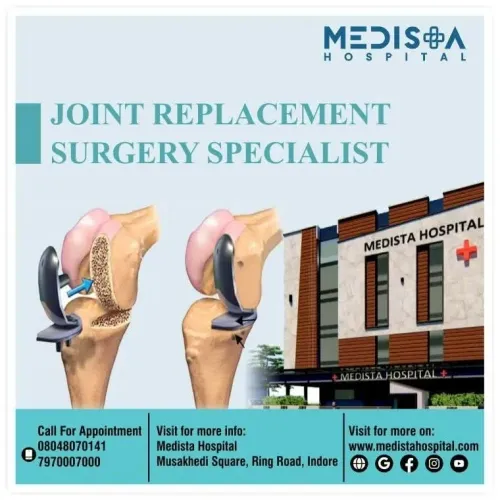
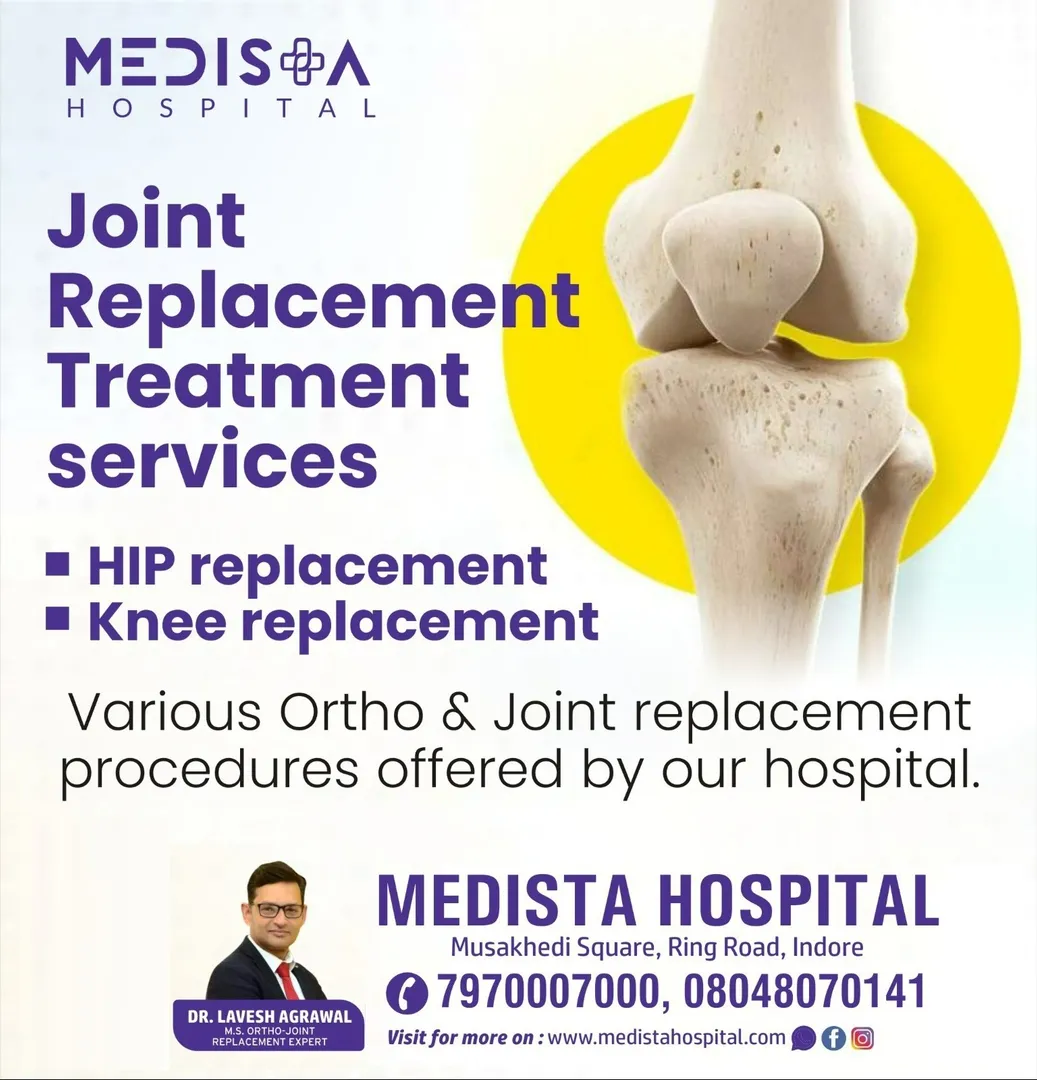
Joint replacement surgery involves replacing damaged joint parts with artificial parts designed to improve joint function and reduce pain. Depending on the patient's condition, this procedure may involve the knee, hip, or any other joint. The appropriate treatment depends on the severity of joint damage, overall health, mobility, age, activity level, and individual goals.
If you are looking for a joint replacement doctor for patients in Burhanpur, understanding the available treatment methods can help you make informed decisions about your orthopedic health.
What is joint replacement treatment?
Joint replacement is an orthopedic procedure in which damaged joint surfaces are replaced with artificial parts called implants or prostheses. Its purpose is to reduce pain, improve movement, and help patients perform daily activities more comfortably.
Joints contain structures that allow bones to move smoothly against each other. When cartilage and other joint structures deteriorate significantly, movement can become painful and restricted.
Joint replacement may be recommended when joint damage is severe and previous treatment has not provided adequate relief. Depending on the diagnosis, doctors may discuss:
Total knee replacement
Partial knee replacement
Total hip replacement
Revision joint replacement, where an existing implant needs to be replaced or repaired
Non-surgical management when surgery is not necessary or appropriate
Not every patient with joint pain requires surgery. A detailed assessment helps determine whether joint replacement, medication, physiotherapy, lifestyle changes, or another treatment is best.
Joint Replacement Treatment for Burhanpur Patients
Patients experiencing persistent knee or hip pain can seek orthopedic advice to understand the cause of their symptoms and explore appropriate treatment options.
For patients traveling from Burhanpur, scheduling a consultation at Medista Hospital may include discussing symptoms, scheduling an appointment, reviewing previous medical reports, and confirming the doctor's availability.
During an orthopedic consultation, the doctor may assess joint movement, pain severity, walking ability, medical history, and previous treatments. X-rays or other tests may be recommended to assess the joint and determine the extent of damage. If surgery is being considered, the discussion should include the expected benefits, potential risks, options, recovery requirements, rehabilitation, and follow-up schedule.
Important: Confirm the actual consultation location and appointment arrangements with Medista Hospital. Do not assume that a doctor will be available in Burhanpur or at a specific location on specific dates until the hospital confirms it.
Common Diseases That May Require Joint Replacement
Many diseases can cause serious damage to joints. Joint replacement is considered only when the diagnosis, symptoms, and extent of damage support this treatment.
1. Osteoarthritis
Osteoarthritis is a common joint disease in which the protective cartilage gradually deteriorates. This can cause pain, stiffness, swelling, and limited movement.
When osteoarthritis progresses and significantly impacts daily life, joint replacement may be considered if other treatments are no longer effective.
2. Rheumatoid Arthritis
Rheumatoid arthritis is an inflammatory disease that can damage joints over time. Some patients experience significant pain, dysfunction, or loss of function despite medical management. Joint replacement may be an option for some patients with severe joint damage. Management of the underlying inflammatory condition is essential.
3. Pre-existing Knee Joint Damage
Knee joint damage can cause pain while walking, difficulty standing for long periods, and difficulty climbing stairs.
When the damage is severe, knee replacement may be considered after an orthopedic examination.
4. Pre-existing Hip Joint Damage
Hip joint problems can cause back pain, stiffness, difficulty wearing shoes, and reduced walking ability.
Depending on the diagnosis and severity, hip replacement may be considered when non-surgical treatment fails to provide adequate relief.
5. Joint Damage After Injury
Some fractures and severe joint injuries can lead to long-term damage or arthritis. In some cases, joint replacement may be appropriate, depending on the extent of the damage and the patient's condition.
6. Other Conditions Affecting Joint Function
Some other conditions can damage joint surfaces and impair continued function. Treatment decisions depend on a correct diagnosis, imaging results, overall health, and available options.
Symptoms that may indicate the need for joint replacement investigation
Joint pain does not necessarily mean surgery is necessary. However, persistent symptoms warrant medical attention, especially if they interfere with daily activities.
Persistent knee or hip pain
Persisting pain despite appropriate treatment may indicate the need for further investigation.
Mobility difficulties
Pain or stiffness that makes it difficult to walk, stand, or move around the house can impact independence and quality of life.
Stiffness and mobility limitations
Difficulty bending the knee, rotating the hip, or moving the joint normally may be related to joint damage or other orthopedic conditions.
Difficulty climbing stairs
Joint pain can make it difficult to climb stairs, sit, stand, or get in and out of a vehicle.
Pain at rest or at night
Persistent pain that interferes with rest or sleep should be investigated to determine the underlying cause.
Loss of independence
When joint symptoms interfere with household chores, work, exercise, or personal care, an orthopedic consultation can help determine available treatment options. If a joint suddenly becomes very painful, hot, red, or very swollen, especially with a fever, or if you are unable to bear weight after an injury, seek immediate medical attention.
Types of Joint Replacement Surgery
The type of surgery depends on the affected joint, the location and extent of the damage, and the patient's health.
1. Total Knee Replacement
Total knee replacement replaces damaged knee joint surfaces with artificial parts.
This may be considered for some patients with advanced knee arthritis and severe pain or functional impairment that has not responded to non-surgical treatments.
Potential goals include reducing pain, improving joint function, and making daily movements more manageable.
2. Partial Knee Replacement
In partial knee replacement, only the damaged part of the knee is replaced. This option may be appropriate if the damage is limited to a specific part of the knee and other eligibility criteria are met.
Not every patient is a candidate for partial replacement. The decision depends on the distribution of arthritis, ligament function, alignment, and other clinical findings.
3. Total Hip Replacement
Total hip replacement involves replacing the damaged parts of the hip joint with artificial parts.
This may be considered for patients with severe hip arthritis or other conditions that cause significant pain and restrict movement.
The decision depends on the diagnosis, symptoms, imaging results, overall health, and response to previous treatment.
4. Revision Joint Replacement
Revision surgery may be necessary if a previous joint replacement has complications, such as implant loosening, excessive wear, infection, or instability.
Revision procedures can be more complex than a first-time joint replacement and require careful evaluation by a properly qualified orthopedic team.
Joint Replacement Consultation with Dr. Lavesh Agarwal at Medista Hospital
Patients considering joint replacement should have the opportunity to discuss their symptoms, diagnosis, treatment options, and recovery expectations.
For content about Dr. Lavesh Agarwal at Medista Hospital, only include verified professional details and services. The consultation process may include the following steps depending on the patient's circumstances. Step 1: Review of Symptoms and Medical History
The doctor may ask about the location of pain, duration of symptoms, ability to walk, stiffness, previous injuries, and previous treatments.
Existing medical conditions, such as diabetes, high blood pressure, heart disease, or other medical problems, should also be discussed.
Step 2: Orthopedic Examination
The examination can assess joint movement, alignment, pain, stability, gait pattern, and functional impairment.
Step 3: Diagnostic Testing
X-rays are commonly used to detect joint damage. If necessary, further testing may be recommended to clarify the diagnosis or rule out other health problems.
Step 4: Discussion of Treatment Options
Based on the results, the doctor may recommend physiotherapy, activity modifications, medication, supportive devices, or surgical testing.
Step 5: Surgical Planning, If Necessary
If joint replacement is appropriate, the medical team should explain the planned procedure, implant options, expected benefits, potential complications, anesthesia assessment, and necessary preparations before surgery.
Step 6: Rehabilitation and Follow-up
Recovery typically includes a structured rehabilitation plan, pain management, mobility exercises, and follow-up appointments. The schedule varies depending on the procedure and each patient's progress.
Recovery After Knee or Hip Replacement
Recovery is a gradual process, and the timeline varies from patient to patient. The type of surgery, general health, complications, and adherence to rehabilitation can affect progress. Early Recovery
After surgery, the medical team monitors pain, wound healing, blood circulation, and mobility. Patients can resume supported movement and walking when medically cleared.
Physiotherapy and Exercise
Rehabilitation helps regain movement, strength, balance, and confidence. Exercise should be performed as directed by a physiotherapist.
Wound Care
Follow the surgical team's instructions for changing dressings, bathing, and monitoring the wound. Do not apply unapproved products to the surgical wound.
Gradual Return to Activities
Daily activities are gradually resumed, as advised by the treatment team. Driving, work, exercise, and other activities should be resumed only when appropriate.
Regular Follow-Up
Follow-up appointments help the medical team monitor recovery, assess joint function, and address any concerns.
Warning Signs After Surgery
If you notice redness, drainage, fever, increased pain, or sudden swelling, contact your treatment team immediately. Sudden shortness of breath, chest pain, or severe pain or swelling in the calf requires immediate medical attention.
Why Rehabilitation After Joint Replacement is Important
Surgery is only one part of the healing process. Rehabilitation helps patients regain strength, movement, balance, and function.
A personalized physiotherapy plan may include:
Gentle range of motion exercises
Strengthening exercises
Walking exercises
Balance and coordination training
Guidance on safe sitting and standing
Recommendations on using a walking aid
Gradual return to daily activities
Patients should follow the instructions given by their surgeon and physiotherapist. Doing too much too quickly or ignoring activity restrictions can hinder recovery.
Frequently Asked Questions About Joint Replacement Treatment in Burhanpur
1. Where can patients in Burhanpur inquire about joint replacement treatment?
Patients can contact Medista Hospital to inquire about an orthopedic consultation with Dr. Lavesh Agarwal, including his current availability, consultation location, and services offered. Please confirm these details directly with the hospital.
2. What is joint replacement surgery?
Joint replacement surgery involves replacing damaged joint parts with artificial parts. This is typically performed for patients with significant joint damage and persistent symptoms despite appropriate non-surgical treatment.
3. When is knee replacement recommended?
Knee replacement may be performed when advanced arthritis causes significant pain and limits daily activities, especially when appropriate non-surgical treatment has not provided adequate relief.
4. When is hip replacement necessary?
Hip replacement may be performed when the hip joint is severely damaged, resulting in persistent pain and difficulty with function. This decision depends on the diagnosis, symptoms, imaging results, general health, and response to other treatments.
5. Is joint replacement right for every patient with joint pain?
No. Many joint problems can be managed without surgery. An orthopedic examination helps determine whether joint replacement or other treatment is appropriate.
6. What are common reasons for joint replacement?
Common reasons include advanced osteoarthritis, severe joint damage associated with certain inflammatory conditions, and some cases of joint damage related to injury.
7. How long does joint replacement surgery take?
The time depends on the joint, the complexity of the procedure, whether it's a first-time or revision operation, and the patient's condition. The surgical team can provide an estimate for the planned procedure.
8. How long does recovery take after joint replacement?
Recovery varies from patient to patient and depends on the procedure, health, rehabilitation, and any complications. Improvement is generally gradual, and the surgeon or physiotherapist should guide the individual recovery plan.
9. Will I need physiotherapy after joint replacement?
Physiotherapy is generally an essential part of recovery. It helps improve movement, strength, balance, and functional ability. The rehabilitation plan should be tailored to the procedure and the patient's progress.
10. What are the potential risks of joint replacement surgery? Potential risks include infection, blood clots, bleeding, stiffness, persistent pain, implant-related complications, and anesthesia-related risks. The surgeon should discuss the patient's medical history and the risks associated with the planned procedure.
Joint Replacement Treatment in Burhanpur
Joint Replacement Doctor for Burhanpur Patients
Dr. Lavesh Agrawal Joint Replacement
Medista Hospital Joint Replacement
Knee Replacement Treatment in Burhanpur
Hip Replacement Treatment in Burhanpur
Orthopedic Surgeon for Joint Replacement
Knee Replacement Doctor
Hip Replacement Doctor
Joint Pain Treatment
Advanced Knee Arthritis Treatment
Osteoarthritis Treatment
Total Knee Replacement
Total Hip Replacement
Orthopedic Consultation for Joint Pain
Joint Replacement Surgery Consultation
Knee Pain Specialist
Hip Pain Specialist
Where to enquire about joint replacement treatment for Burhanpur patients
Knee replacement consultation with Dr. Lavesh Agrawal
Hip replacement treatment options for patients from Burhanpur
Best treatment options for severe knee arthritis
When is knee replacement surgery recommended
When should hip replacement be considered
Joint replacement recovery and physiotherapy guidance
Orthopedic consultation at Medista Hospital
Joint replacement surgery preparation and recovery
Keywords